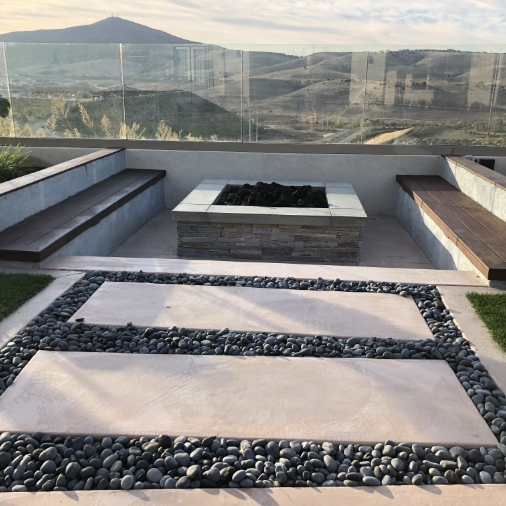
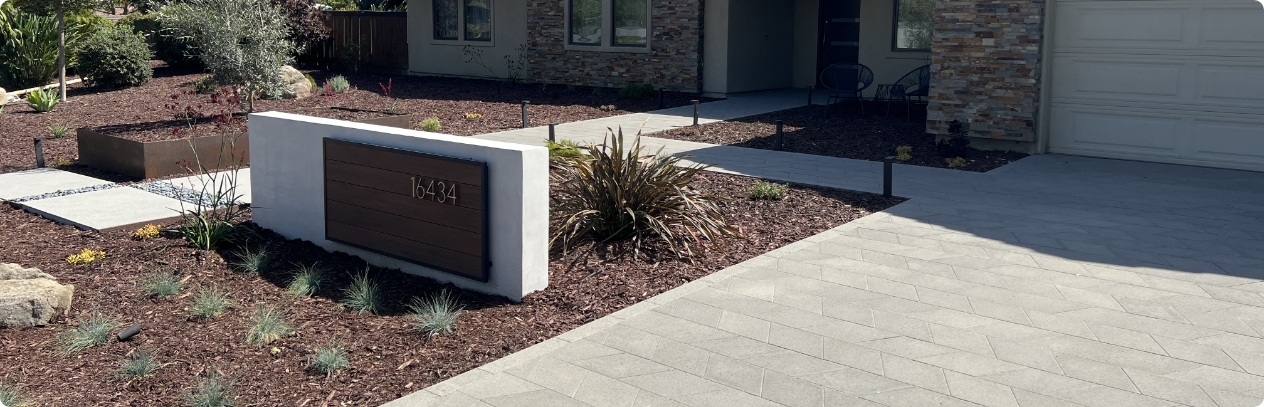
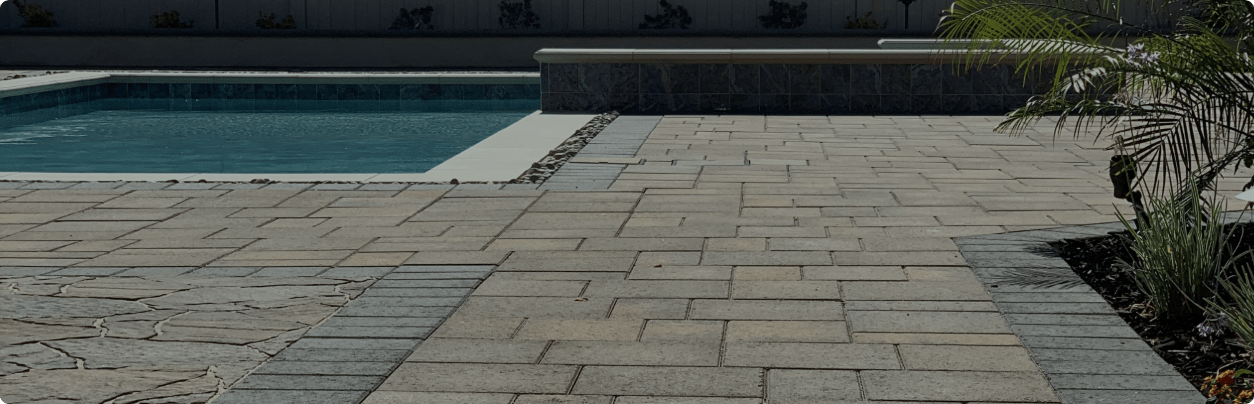
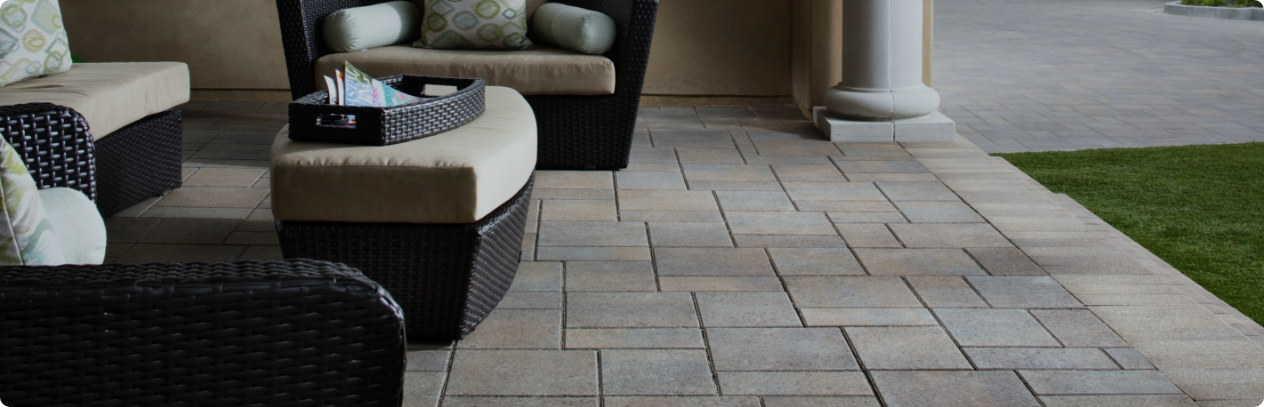

Today’s pavers have come a long way since your grandparents’ crumbling old brick walkways.
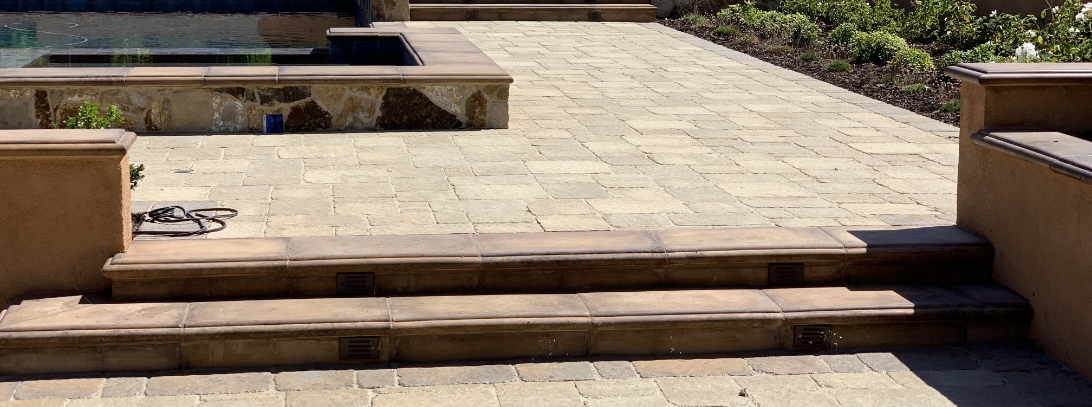
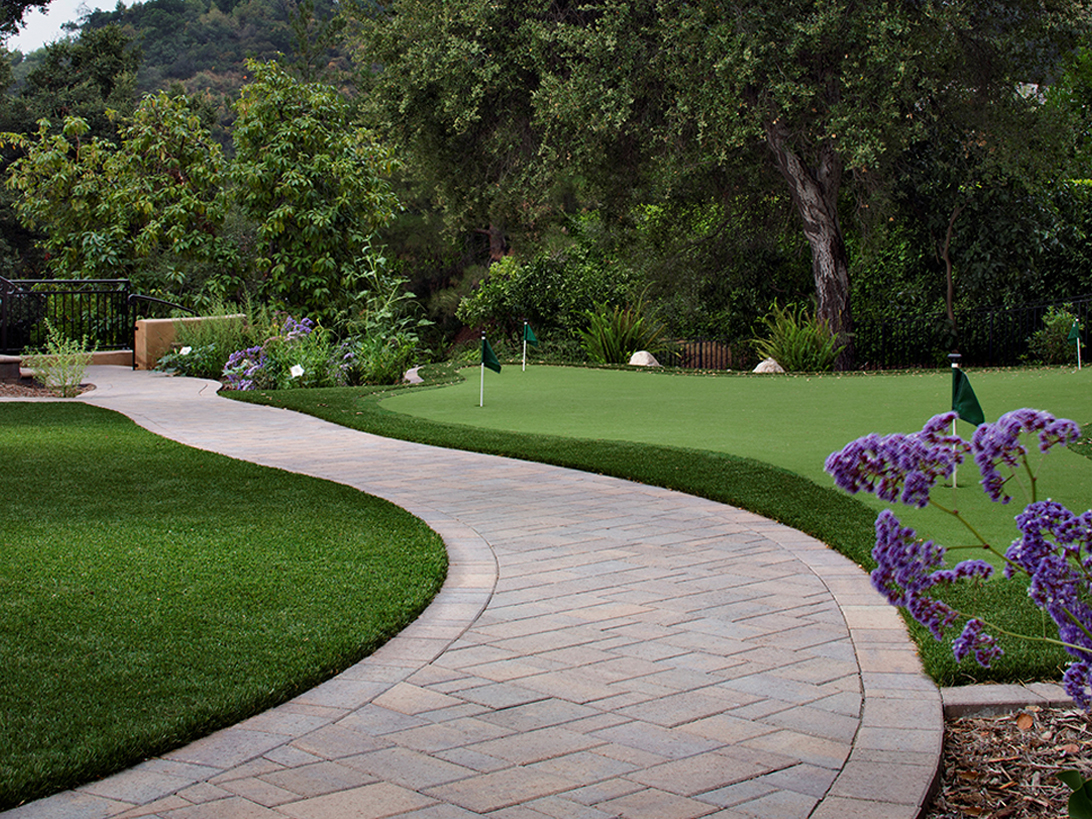
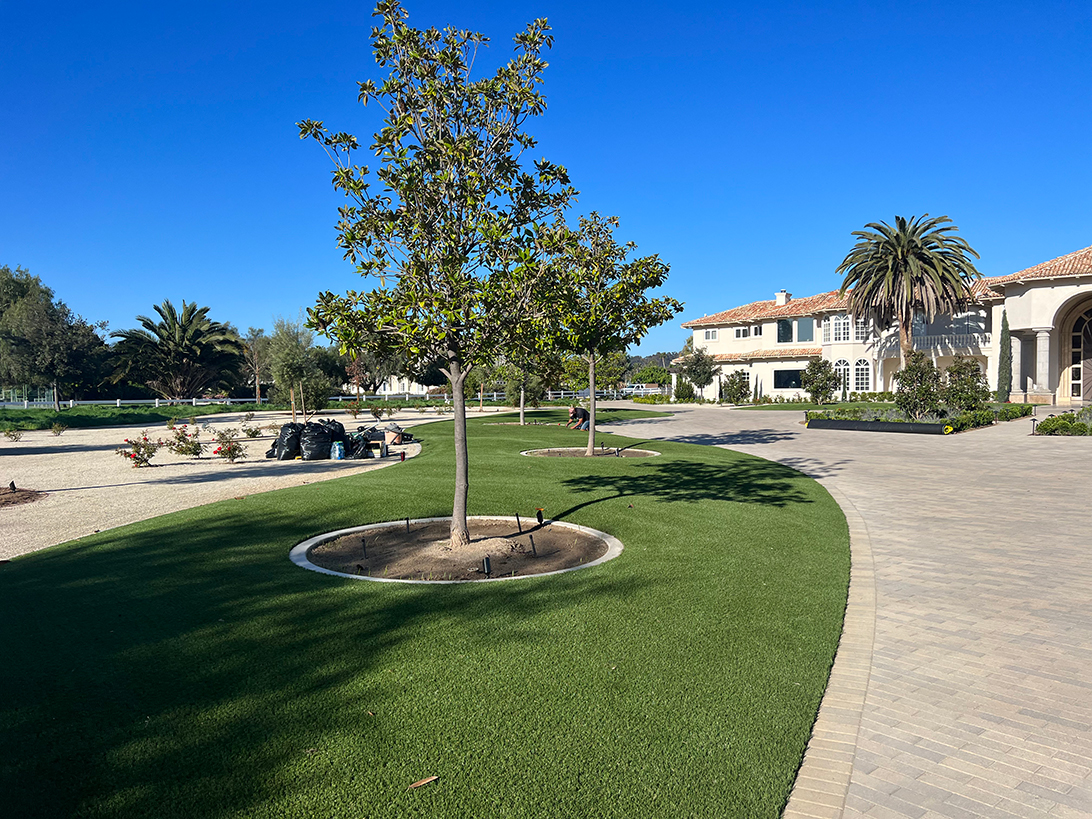
With a plethora of textures, sizes and design styles to choose from, modern pavers have a place in any outdoor space, commercial or residential.
From traditional cobbles to large format porcelain pavers, Panjia specializes in designing and crafting paver installations with an unmatched attention to detail and durability with a lifetime warranty to back it up.
All successful projects start with a well-thought-out plan. We begin by evaluating your space and determine the needs and wants of the area. We assess everything from drainage requirements, elevations and grading needs, site challenges or obstacles, utility, functionality and of course aesthetics and material options.
A solid foundation is key to the longevity of your project, and that begins with a proper excavation. Pavers are about 4 times stronger than poured concrete, however, that doesn’t mean what goes underneath the pavers isn’t critical. Depending on the native soil conditions, a typical driveway application will require a 9 to 10 inch excavation depth with a sub-base layer of 6 to 8 inches.
Areas with high clay content should use a geotextile filter fabric to separate the subbase material and native soil to prevent base migration and sink spots. Panjia uses a class II road base with a compaction rate of approximately 95% on all paver driveway, walkways, patios and pool decks.
Once the base layer is properly graded and compacted we screed a bedding layer of concrete or masonry sand over the entire area. The bedding sand layers has two functions:
1) It provides a perfectly smooth surface for the pavers to be laid in a level and flush manor. 2) During the final compaction process the pavers are compacted and recessed into the bedding sand layer approximately ¼” - ½”. The sand coming up into the joint of the pavers helps in the interlocking process and helps bind the pavers together. This adds strength to the overall structure of the paver system.
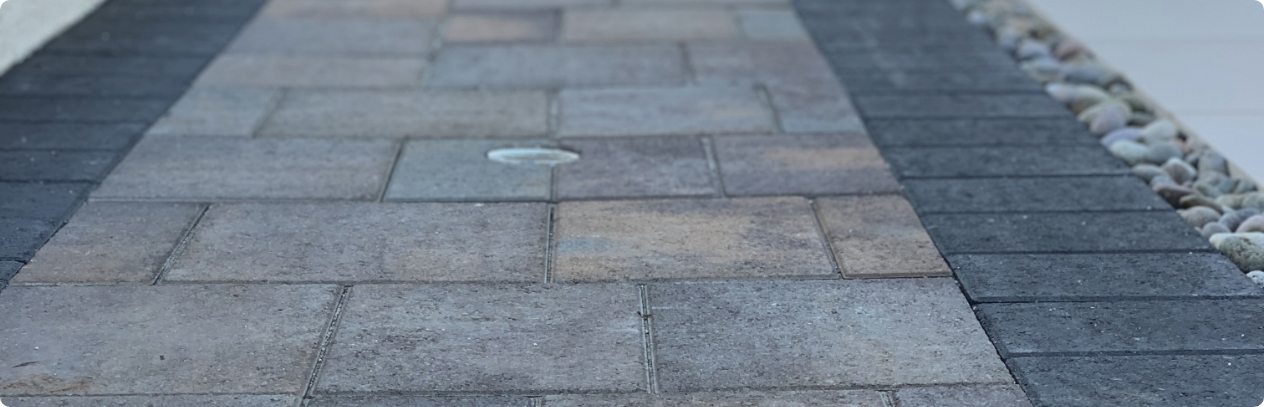
Our craftsmen hand lay each and every paver one-by-one, paying close attention to alignment, spacing, pattern and color pallet to ensure a consistency from one end of the project to the other.
The border course acts as a picture frame, helping to visually frame in the area but also to act as a frame to keep all of the pavers locked in. Once the field pavers are all laid out we begin saw-cutting any field pavers that extend beyond the start of the border course.
Once all of the field stones are cut, the border line is trenched out and excavated to meet the depth of the sub base (approximately 8 inches). Concrete is mixed and poured into the trench to a depth of about 5 inches with a rod of ⅜” steel rebar for support. The border pavers are then wet-set into the concrete and mallet set into the concrete.
Once the border course is completed, the final step in the paver installation process is to apply the joint sand and compact the pavers. Depending on your selection, your pavers will receive a standard angular joint sand, or, a polymeric stabilized joint sand.
The standard joint sand does not have any binder additives, however, the angular form of the sand once compacted and vibrated into the joint will bind together between the pavers and lock the stones into place. The upgraded polymeric sand has a polymer additive that once activated will harden the joint preventing weed growth and increase the longevity of the joint sand.
While pavers are low-maintenance, we provide all of our customers with a maintenance guideline to follow that will keep your new pavers looking and functioning like new.

“Panjia Turf transformed our backyard with their paver installation. The attention to detail and quality craftsmanship exceeded our expectations.”
“The entire process, from consultation to completion, was seamless. We highly recommend Panjia Turf for their professionalism and expertise.”
“Exceptional attention to detail and precision in their turf installation process. The team ensured every inch was perfectly laid, resulting in a lush and vibrant lawn. Professionalism and expertise at its finest, highly recommend their services!”
“Panjia Turf transformed our backyard with their paver installation. The attention to detail and quality craftsmanship exceeded our expectations.”
“The entire process, from consultation to completion, was seamless. We highly recommend Panjia Turf for their professionalism and expertise.”
“Exceptional attention to detail and precision in their turf installation process. The team ensured every inch was perfectly laid, resulting in a lush and vibrant lawn. Professionalism and expertise at its finest, highly recommend their services!”
We offer a very broad range of both concrete and porcelain pavers for virtually any application. There are an enormous number of design styles, textures sizes and colors available. We offer products from several paver manufacturers such as Belgard, Orco, Angelus and Ackerstone.
Every project can vary in duration depending on several factors, however, our typical installation process take one to two weeks to complete from demolition to final inspection.
Basic recommendations for maintaining your pavers include: Cleaning / pressure washing off debris periodically, re-applying low joint sand levels (particularly after a weather event), re-sealing your pavers if you chose to have your pavers sealed initially, Remove any weed growth (typically occurs around perimeter).
Absolutely! Your pavers come with a lifetime manufacturers’ warranty that covers your pavers against cracking. We also back up all of our installations with a 10-year workmanship warranty that ensures your pavers hold up to everyday life.
We are here for you. Contact us today to request a free no-obligation consultation.